Q/A with Brian Futter of Catherine Wheel

Brian Futter on Good Day Father, Tanya Donelly, and the Future of Catherine Wheel

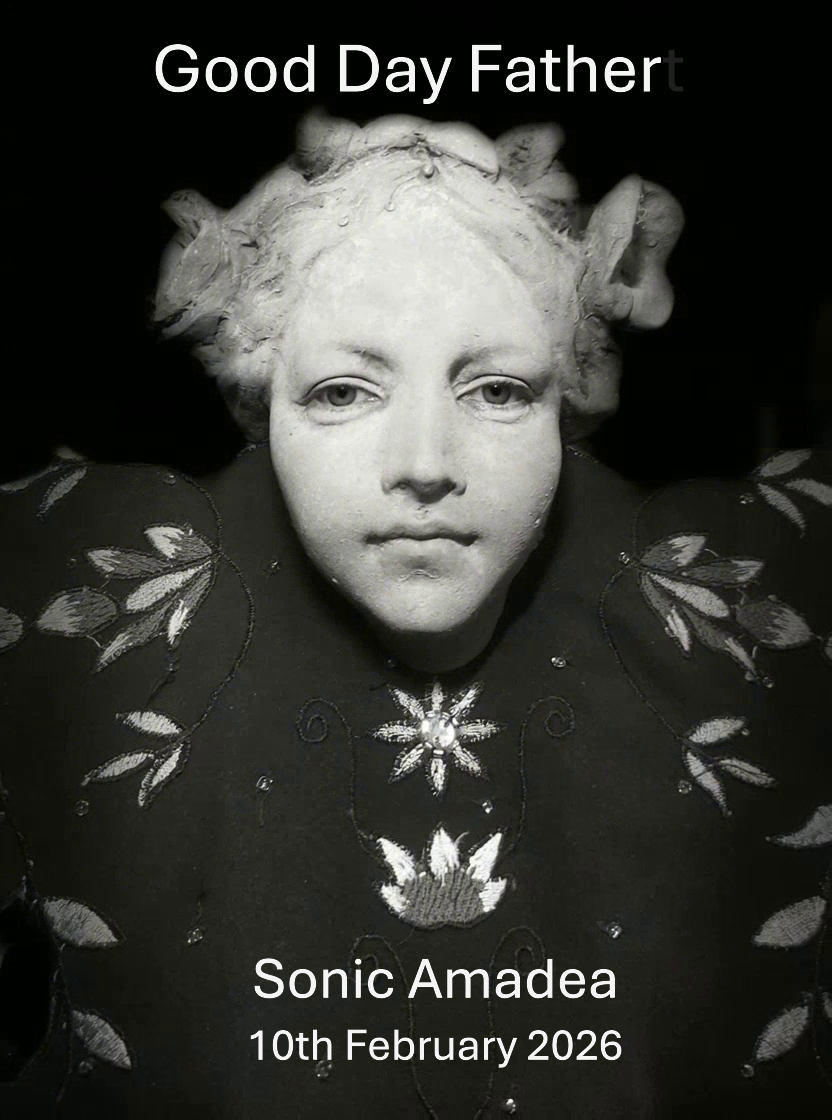
On February 10, 2026, Brian Futter returns with Good Day Father, a new collaboration with Tanya Donelly—the influential voice behind Belly and a founding member of Throwing Muses. The project was born from a singular creative realization: after Futter wrote "Sonic Amadea," he found he could hear Donelly’s distinct vocals "all over it," turning a long-held "germ of an idea" into a full-scale reality.
In this conversation, Futter reflects on the organic origins of Good Day Father, the current "perfect storm" of the shoegaze revival, and his memories of 1992, when a "quiet and studious" Radiohead served as the opening act for Catherine Wheel’s UK tour. Finally, he shares why the year 2027 is currently being discussed as a potential window for the return of Catherine Wheel.
You’ve worked with Tanya before, but how did this specific project start? Did you write these songs with her voice in mind, or did it just happen naturally?
We got to know Tanya and the guys from Belly well through touring; we shared shows and festivals in the US. After Tanya sang on the Catherine Wheel song "Judy Staring at the Sun," I always had this germ of an idea that it would be great to work on something else with her. I’ve always loved her voice and she is such a great person. After I’d written "Sonic Amadea," I could hear Tanya’s voice all over it. I bit the bullet and sent it to her; she loved it straight away and Good Day Father was born. The band name, by the way, is the phrase my son Jack uses to get rid of me when he’s bored talking to me on the phone.
What themes or emotions are you most interested in exploring with this project, and why do they feel important to you now?
Probably the darker side of life. Also, the positivity of wisdom gained through time. Nothing jolly—I can’t do jolly. This is at odds with how I am in real life, as I’m actually a very positive person.
Were there any specific musical influences—old or new—that helped define the sound of this project?
Anything and everything that suits. No one is trying to tell me what to play, so I have free rein. I am a sucker for contrast; I always want loudness after quiet.
Fans have always obsessed over your guitar tones in Catherine Wheel. For this EP, did you dig out the old vintage pedals and gear people associate with you, or did you try to find an entirely new "voice" for your guitar to match Tanya’s vocals?
I dug out a few of the old pedals. I’m not that fussy, though. I find a guitar sound grows into the right sound if I listen to it enough during the construction of the song. I’m pleased with the guitar wall on "Sonic Amadea," though—that was totally a pedal.
Shoegaze has always been celebrated for its experimental approach to sound—not just in playing, but in amp heads, speaker cabinets, pedalboards, and microphone placement, with a distinctly analog feel. How do you feel about the growing use of plugins, amp simulators, digital post-production, and now AI in the creative process?
I detest the idea of AI being used to write a song. Songwriting is such a personal endeavor; machines shouldn’t be involved. I’ve got no problem with using plugins; I use them all the time. There are plenty of great, quirky sounds to be had there. As long as a human plays the sound, I have no problem.
Shoegaze is huge again, but people are mixing it with metal, emo, and hardcore. What do you think of the new direction the genre is taking, and where do you think GDF fits in?
I think shoegaze was pure for a very short time back in the nineties. It soon started to change and mutate. Catherine Wheel took it in one particular direction, pretty much on our own. I think now that it’s been spread over so many genres, it’s possible to see it pop up everywhere. GDF definitely dips a large toe in that particular water… but not the whole foot!
Are there any modern shoegaze or adjacent artists that you genuinely enjoy, and what do you think has driven the genre’s renewed popularity?
I’ve been quite into DIIV recently. I think the bleak lockdown world from a few years ago was very suited to a shoegaze revival; lots of time stuck in your room screams for some "gaze" sounds! Add that to all the legacy bands touring with strong social media and it’s the perfect storm.
Back in 1992, Radiohead opened for Catherine Wheel before they became who they are now—what do you remember about that time?
They were nice blokes—very quiet and studious. They kept to themselves, really. There wasn’t much inter-band contact as far as I remember. They did a whole UK tour with us, but they didn’t really turn my head until the big London gig at the end of the tour. Suddenly, they were a completely different band; I remember they brought the house down.
Catherine Wheel’s music has aged so well. Does that era feel like a closed chapter to you, or could you see a reunion happening down the road?
We talk about another tour regularly. 2027 looks promising.
Your career as a professional musician spans an impressive three and a half decades. What would you say are some of the key lessons you’ve learned over this time, and what advice would you give to young musicians?
Follow your dream. Write songs and play your music—the stuff that excites you and that you actually want to play. Nothing else will be as effective.
Do Tanya and yourself have any plans for live shows in the future?
If the right opportunity came along, sure.


Comments